
Day One of UKREiiF 2026 set a confident, collaborative tone for Greater Manchester’s delegation, with leaders from across the city-region taking to stages, roundtables and private forums to champion the region’s ambition, investment pipeline and long-term approach to good growth.
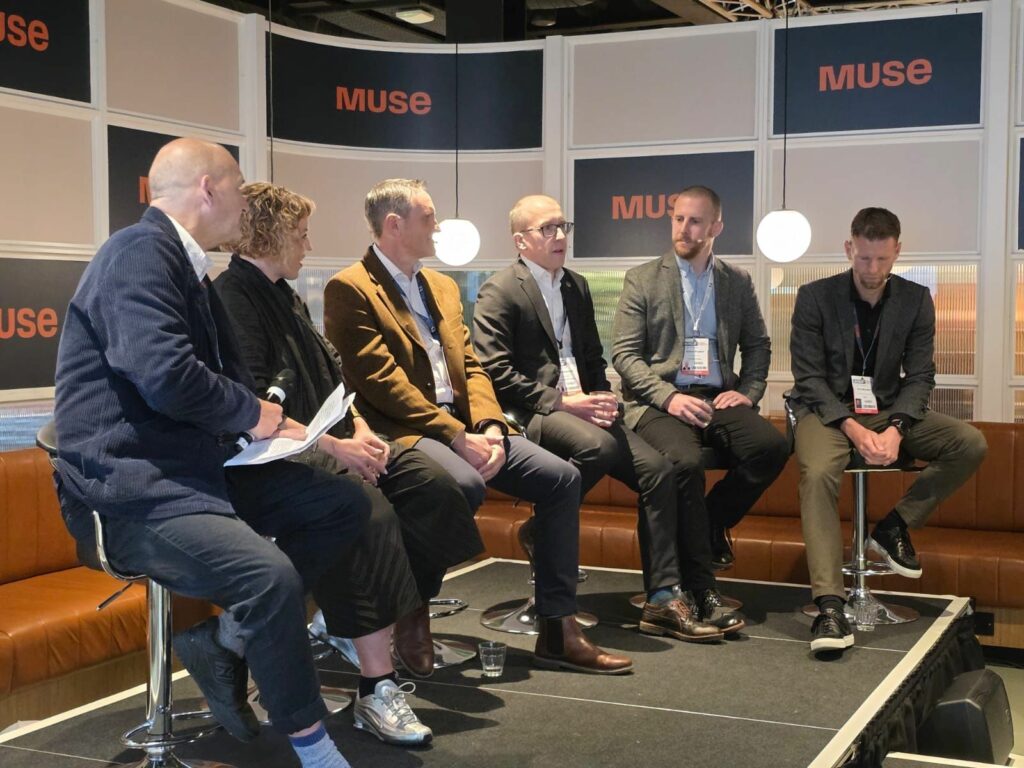
The day began bright and early at the Muse stand, where Tom Stannard, Chief Executive of Manchester City Council, joined James Kington, Director of Growth at Oldham Council, Paul Richards, Deputy Chief Executive at Stockport Council and Muse’s Phil Mayall to explore how Greater Manchester is reshaping its towns and cities. The conversation set the tone for the day: partnership-led regeneration, long-term stewardship, and a clear focus on delivering places that work for people.
James Kington, Director of Growth, Oldham Council said “You can’t just look at what has happened in Stockport and lift to fit to a place like Oldham but you do have to look at market leaders for some key takeaways. You have to have a plan on the table, have the politicians as aligned as they can and get the community on board so that they feel a part of it and young people want to stay, build lives and build careers.”
Tom Stannard Chief Executive of Manchester City Council said “That attractiveness of our region is absolutely immense. The message from us in the public sector is that stability is our watchword, it has served us well and will continue to serve us well. We’re long-term partners, not just partners in name but were putting in a big stake in land ownership and financially as well.”
Paul Richards Chief Executive of Deputy Stockport Council “Placemaking is emblematic for that regeneration of Stockport. The feeling you get when you’re in the town centre just lifts you and has given us the confidence to keep going. It’s about vision, ambition and thinking what you can do next that’s even more ambitious.”
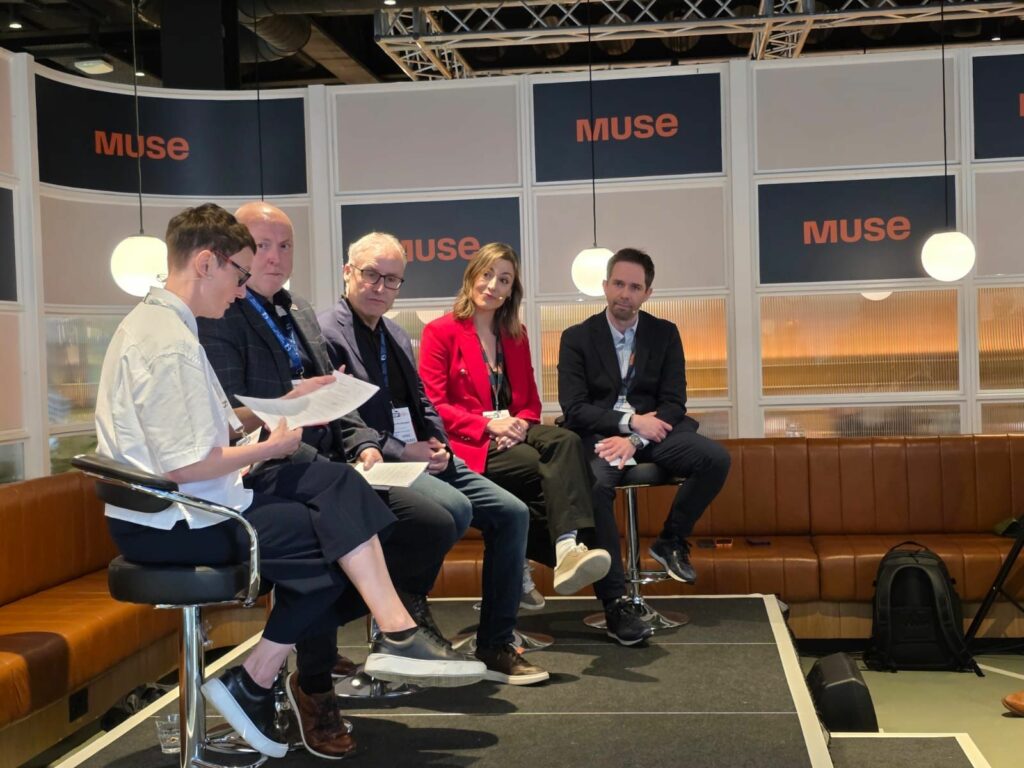
From there, attention turned to Salford as the city marked its centenary with a session reflecting on its transformation into to one of the UK’s most dynamic urban centres. With Salford City Council and the University of Salford in the spotlight, the discussion highlighted the power of community-led regeneration and the momentum building across the city.
John Searle Deputy Chief Executive (Executive Director of Place) of Salford Council said “Salford was really defined by its industry, its resilience and its ambition. That’s in our DNA. We try and create long term relationships with our developer community, partnership is key.
We feel we have a real social responsibility to deliver more and better and it’s the better bit that matters. We’re talking about affordable homes provision to Passivhaus standard, high quality public spaces, access to these spaces and embedding social value into everything we do.”
Laura Percy Development Director of Muse said “As we reflect on the next ten years, this is the opportunity for good growth. This is about recognising that regeneration is not about displacement. It’s about seeing the benefits of the work we’ve done recycled back into communities. We have a real opportunity to create that catalytic effects like utilising the research strengths of Salford University to create an exemplar across Salford Crescent.”
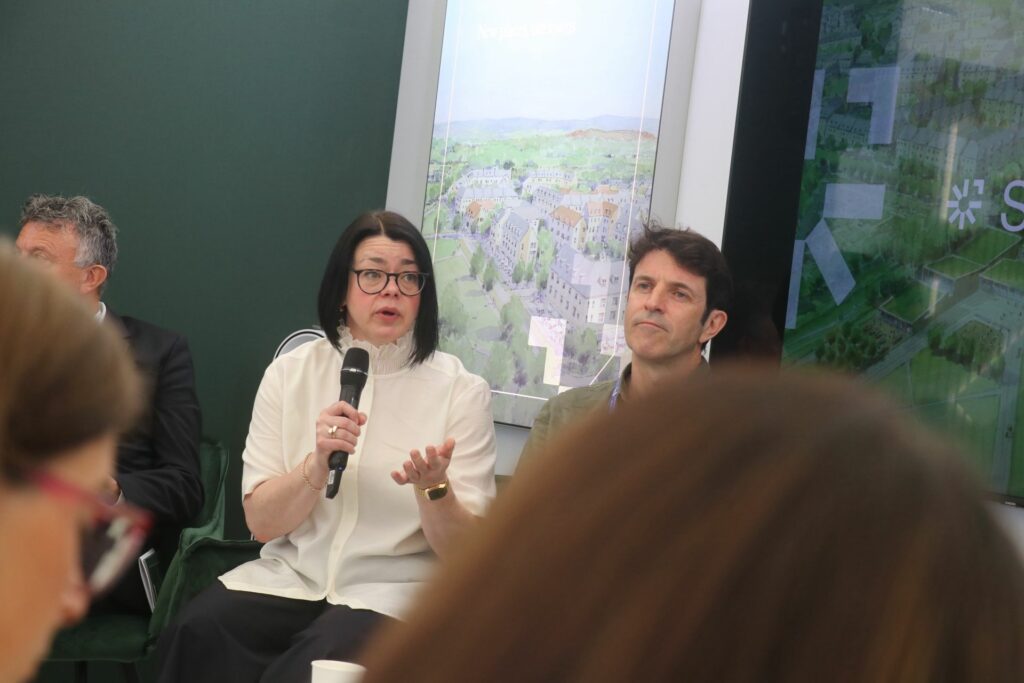
Back across the programme, Becca Heron, Manchester City Council’s Strategic Director for Growth & Development, brought a Manchester perspective to a debate on the future of new towns and the importance of landscape-led master planning.
When asked about the varied use areas can have in new towns, she said ‘’What ties these areas together is a park. Opening up green space and actively encouraging people to out of the car. All of these things brings communities closer – the key to success is how you use the environment and current setting to your advantage’’
Devolution was another major theme of the morning. Gillian Duckworth, GMCA’s Group Solicitor & Monitoring Officer, joined a panel unpacking the implications of the English Devolution and Community Empowerment Bill, a collaborative conversation as Greater Manchester continues to expand its powers and responsibilities.
Meanwhile, Manchester’s presence was felt strongly at the Major & Core Cities Brunch, where Tom Stannard joined leaders from across the UK to discuss investment priorities and the shared challenges facing major urban centres.
At the same time, Laura Blakey, Director of Strategic Finance & Investment at GMCA, contributed to a private roundtable on livingled regeneration, exploring how under-used urban spaces can be transformed into catalysts for social and economic activity.
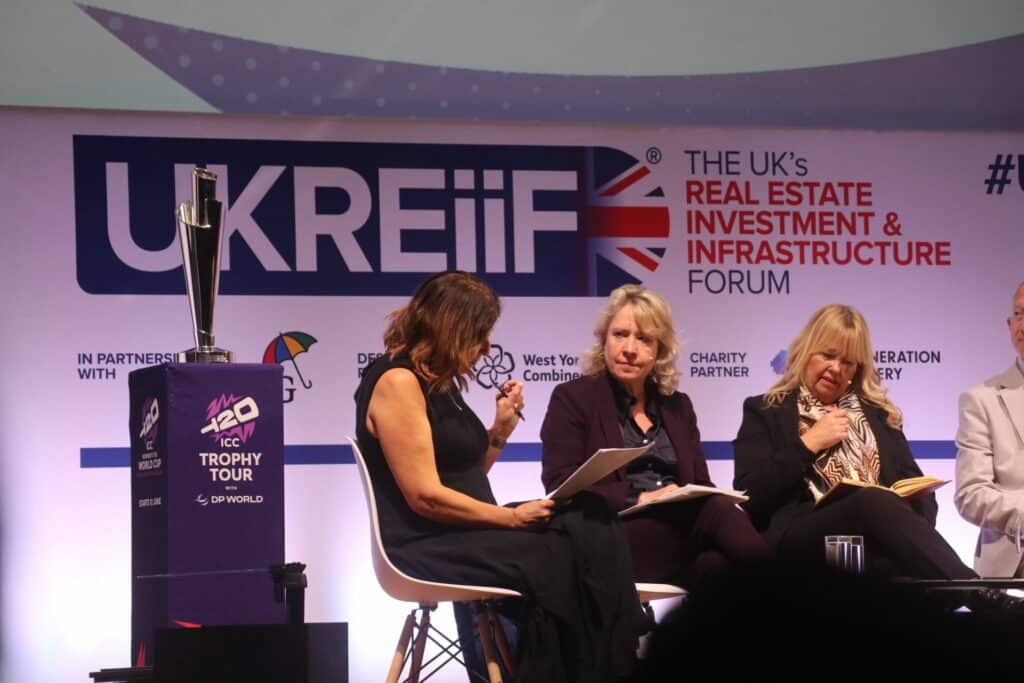
Karen Hirst, Project Director for Old Trafford Mayoral Development Zone discussed how culture can create a city, she said ‘’The whole area of Old Trafford is set to deliver the wider vision and the impact this has is important, whether its creating jobs, neighbourhoods or contributing to community’’ She went on to say ‘’Social value and community benefit impact is at the forefront of what we want to do. Working with schools and local youth centres is especially important while we grow Trafford will be the true measure of success’’
On the McDonalds Pavilion, Justin Clough, Assistant Director of Corporate Property at Bolton Council joined a conversation all about regenerating high streets and creating new opportunities in retail.
Justin Clough, Assistant Director of Corporate Property at Bolton Council said “ Less is more in terms of retail, but creating an environment with a sense of vibrancy will entice people back in and offer that multi-generational destination. The town centre needs to change its identity from just a retail destination. Hospitality gives people a reason to come into the town.”
A Spotlight on Greater Manchester’s MDCs
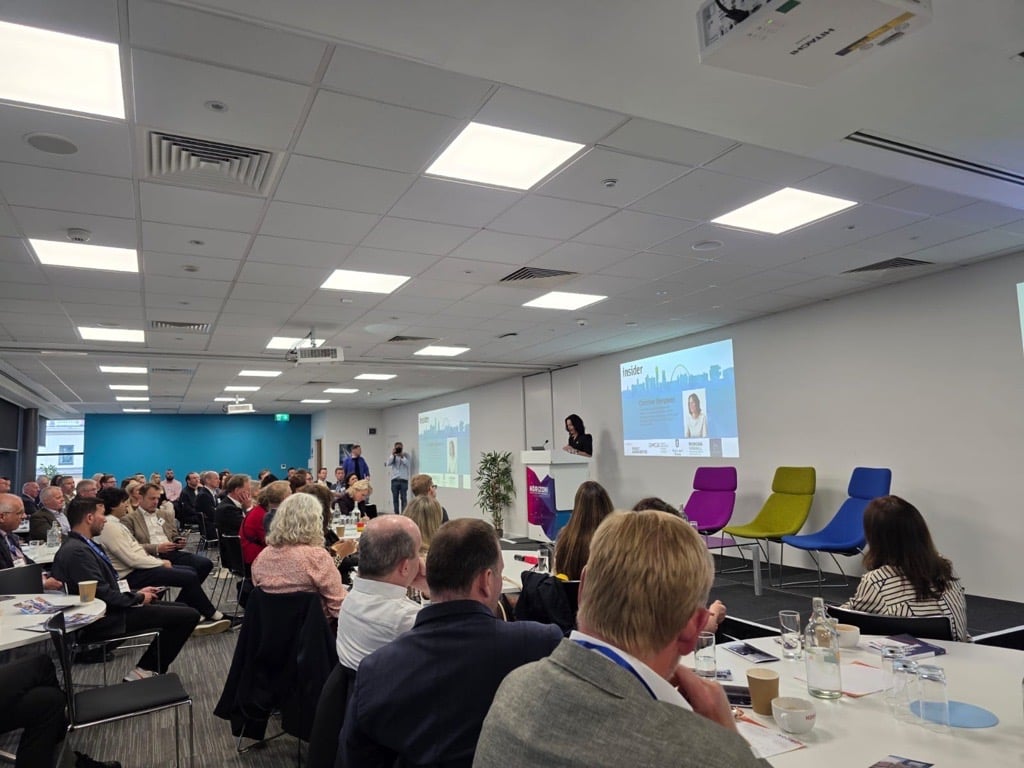
One of the standout moments of the day came late morning at Horizon Leeds, where a packed audience gathered for a deep dive into Greater Manchester’s Mayoral Development Corporations, hosted in collaboration with Insider.
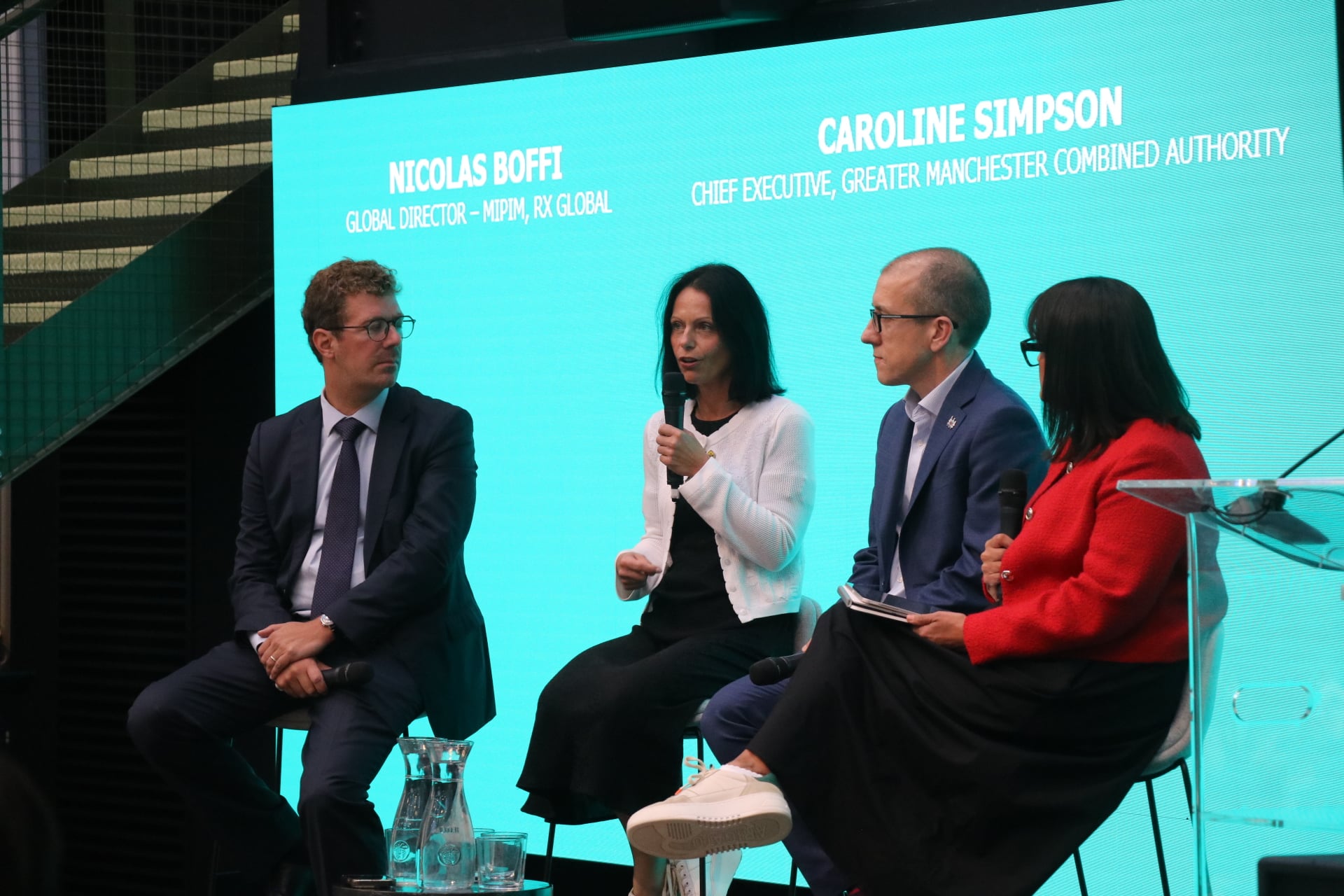
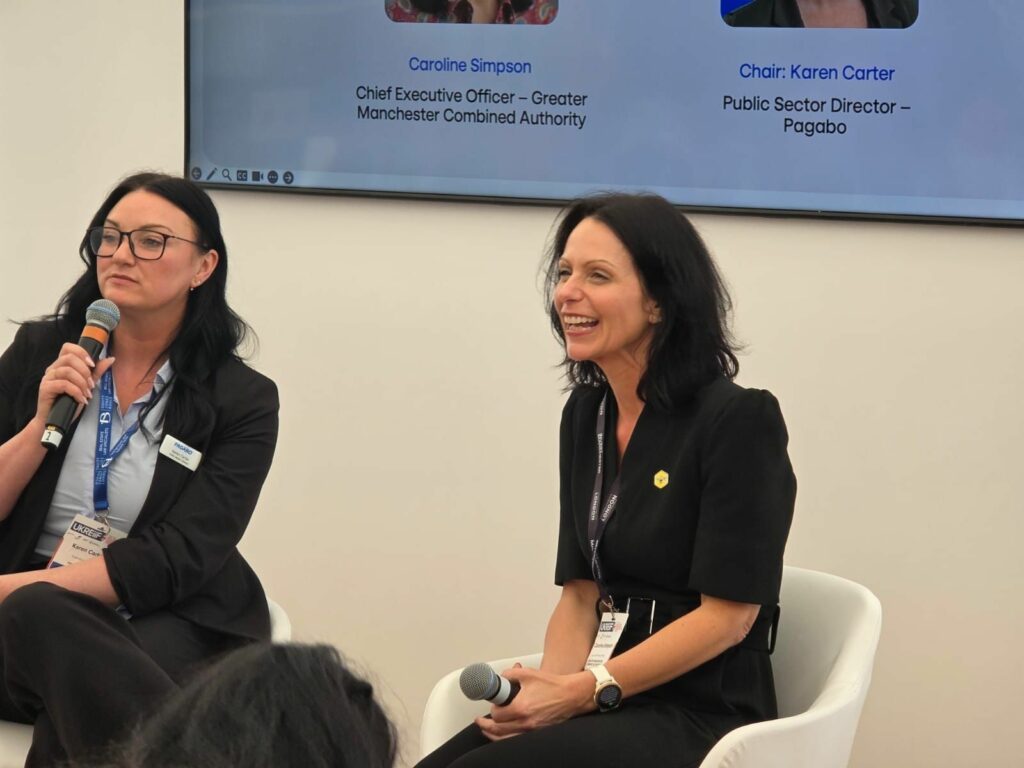
Speakers included Caroline Simpson Chief Executive of GMCA, Catherine Chilvers, Managing Director, Stockport MDC, Karen Hirst, Project Director, Old Trafford Regeneration MDC and Stephen Dance OBE, Chair of Atom Valley Northern Gateway Mayoral Development Corporation.
Together, they explored how MDCs are accelerating development across Stockport, Old Trafford, Northern Gateway, Middleton and proposed new areas including Bolton, Ashton, Stalybridge, Oldham and Leigh. The session underlined the scale of opportunity across the city-region, and the strength of the partnership model underpinning it.
Caroline Simpson, Chief Executive, GMCA said “As we look ahead to the next decade. We have absolutely accepted the challenge of continuing the momentum of that growth, but we want to build on it. We want to go further and faster and make sure growth reaches every part of Greater Manchester. We want to focus on place-based growth and link that industry back to our people.
“We are doubling down and we are doing that through MDCs. It’s not stand-alone projects but a focus on places that are part of our delivery pipeline.
“At their core MDCs are delivery vehicles. They bring together powers, provide a means by which the public sector and private can channel investment with a single purpose. Their intent is to unlock the complexity of regeneration, to accelerate delivery.”
Catherine Chilvers, Managing Director, Stockport MDC said “The principle of the MDC was to galvanize that momentum that had started into a collective vision for the town centre. The beauty of the MDC model is that you have the ability to be dedicated to your vision. To be focused on driving forward delivery, allows acceleration.”
Karen Hirst, Project Director, Old Trafford Regeneration MDC said “We’re going to create a new place a new neighbourhood, thousands of new homes and jobs supercharged by a world class new stadium for Manchester United.
Our strapline is globally inspired, community focused and I think we need to do exactly what it says on the tin”
Stephen Dance OBE, Chair of Atom Valley Northern Gateway Mayoral Development Corporation said ““MDCs are all different and they have to be. The thing that binds it together is the benefit for the people. We are in this for economic growth, social benefit and for private sector partners to make a profit, because they have to. The main differentiator is that common goal for growth.”
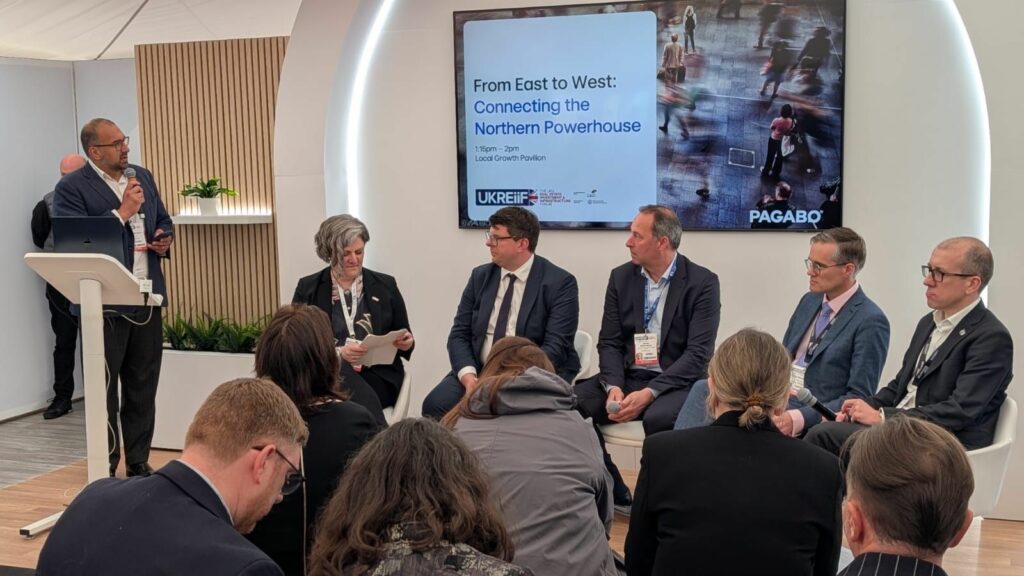
Transport came front and centre into the afternoon, with Chris Woodroofe, Managing Director of Manchester Airport and Tom Stannard, joining a panel on east/west connectivity and the economic impact of the TransPennine Route Upgrade.
Tom Stannard Chief Executive of Manchester City Council “The key challenge is about rebuilding the partnership with government on this is a constructive and collaborative way. What we’ve seen is a real appetite and willingness to really lock themselves into productive governance with the city and our partners.
“Partnership and having Government at the table in a joint process is absolutely essential. That’s the commitment from us. When you have the city council, the combined authority, the airport and other stakeholders like that in the mix, it gives so much more potential for the next decade.”
Chris Woodroofe Managing Director Manchester Airport said “What’s really important isn’t a ten-minute reduction in train time when you’re going to an airport but knowing you’re going to get there and the resilience. What NPR will do for Manchester Airport is allow me to pitch a 60 million passenger future, generating a business case to transform terminal 1. You follow that train back and you will find literally trains, will allow us to do that.
The afternoon also featured a fireside conversation with Caroline Simpson, who set out how Greater Manchester’s £1bn Good Growth Fund is unlocking development across all ten boroughs, making the unviable viable and accelerating delivery at scale.
‘’This year’s integrated settlement has helped us simplify the investment landscape and strengthen delivery across the region. Through the Good Growth Fund, Greater Manchester’s ten local authorities are working collectively to back projects that support long-term growth, from town centres and transport infrastructure to social and affordable housing, while creating the confidence and capability needed to bring regeneration forward across every part of the city region.’’
A spotlight on North Fold
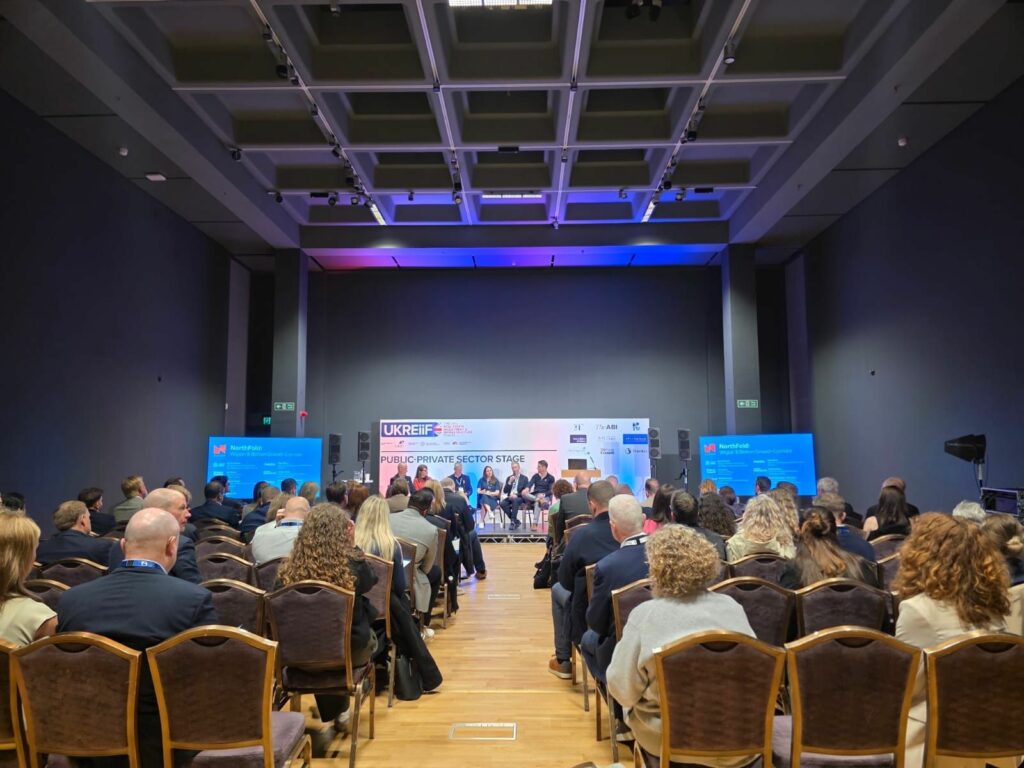
The spotlight shifted to the Wigan/Bolton corridor as the NorthFold partnership took to the PublicPrivate Sector Stage. With contributions from Bolton Council, Wigan Council, and Invest Manchester, the panel celebrated more than £1bn of investment already secured and outlined the next phase of growth.
Jon Dyson, Director of Place at Bolton Council talked about how things have progressed since their UKREiiF 2025 session ‘’What excites me most is the move away from concept to delivery. The projects like Crompton Place were in the pipeline and now its starting the demolition process’’
‘’Projects like Hulton Park are going to be huge, over £1.2bl GVA and over 1000 jobs will come alongside the Ryder Cup win. Bringing a world class golf facility in the heart of our region will bring generational good’’
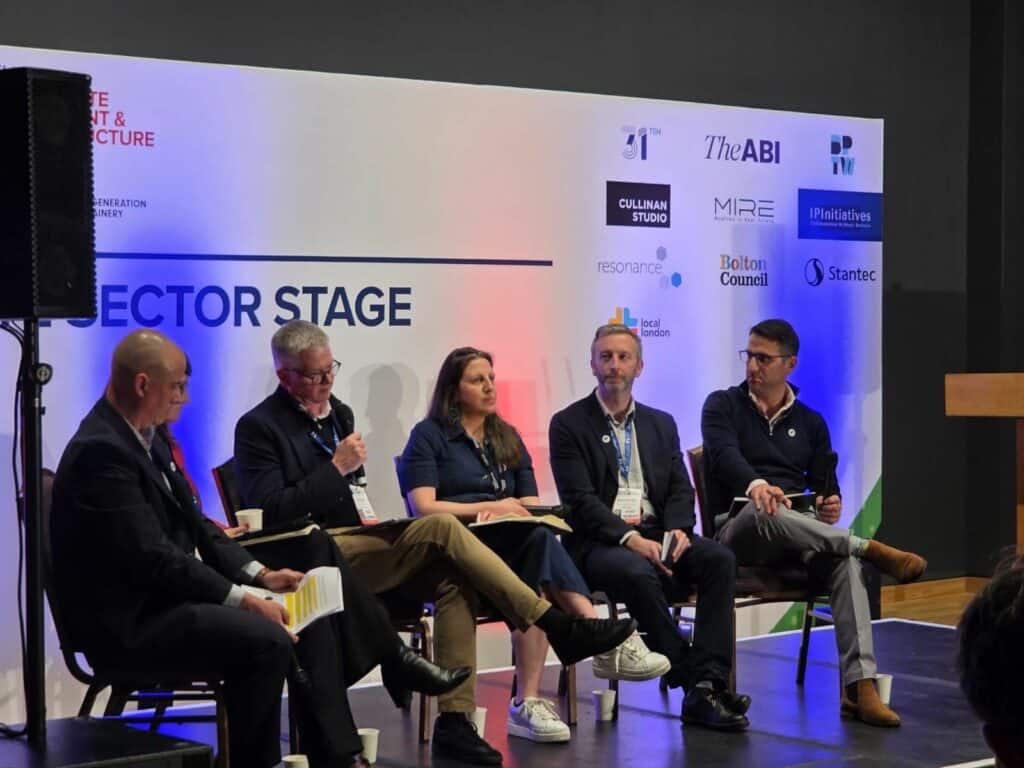
On the same panel, David Proctor, Assistant Director for Planning and Regeneration discussed what NorthFold meant to Wigan. He said ‘’Fettlers, our flagship town centre, will transform the offer in our centre and build on the cultural piece to get the most out of our assets. The key idea is a mixed use offer that builds on our story, and NorthFold provides that’’
Audrey Peers, Head of Strategic Partnerships said ‘’ We’re excited about the strength of the offer at NorthFold, it supports Greater Manchester’s key sector strengths and will attract investment over the next decade. One key sector that looks particularly exciting is the Food and Drink Innovation cluster that is expanding, so we hope to support the employment and growth opportunities that come alongside it’’
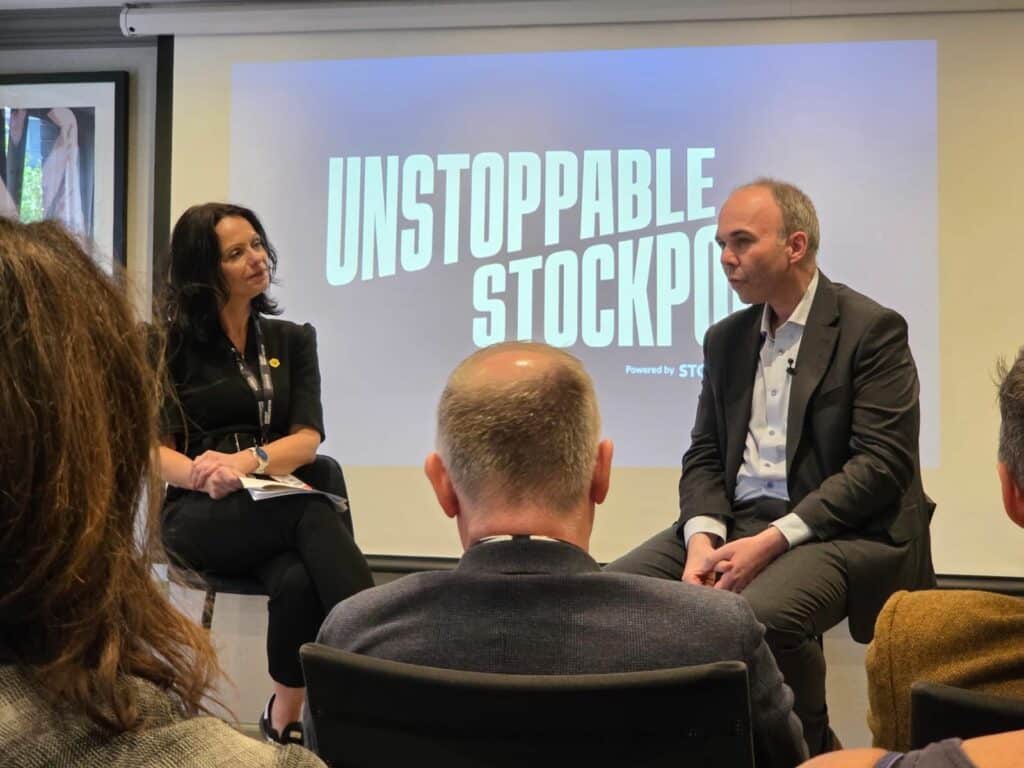
Then, Caroline Simpson joined Lord Gavin Barwell, Chair of the Stockport MDC for an ‘in conversation with’ session, exploring the MDCs successes to date, a collaborative approach town centre regeneration and his future ambitions as the area expands.
“Theres a record of achievement here, you walk around the town centre and you can see the huge difference it has made. Excitingly there’s a real ambition to go further, doubling the housing infrastructure, employment space and social infrastructure as well.
“Its powerful to have the whole town centre covered by this. If we can really give people a pride back in their town centre, this doesn’t just benefit the people within the boundaries of the MDC but makes everyone proud of their place and its making their hometown better for everyone.”
Then Caroline Simpson joined the Manchester Cambridge Innovation Partnership drinks reception to reflect on the partnership so far and set out ambitions for the innovation
Caroline Simpson Chief Exec Greater Manchester Combined authority said
“There are so many reasons why this partnership works. From our perspective it really makes a statement around how the landscape of devolution and mayoral combined authorities is starting to shape economic policy in the UK. We didn’t ask for permission, we weren’t asked to do it, but two regions came together with similar priorities and interests. Both understood the mutual benefits. It’s an absolute no-brainer.”
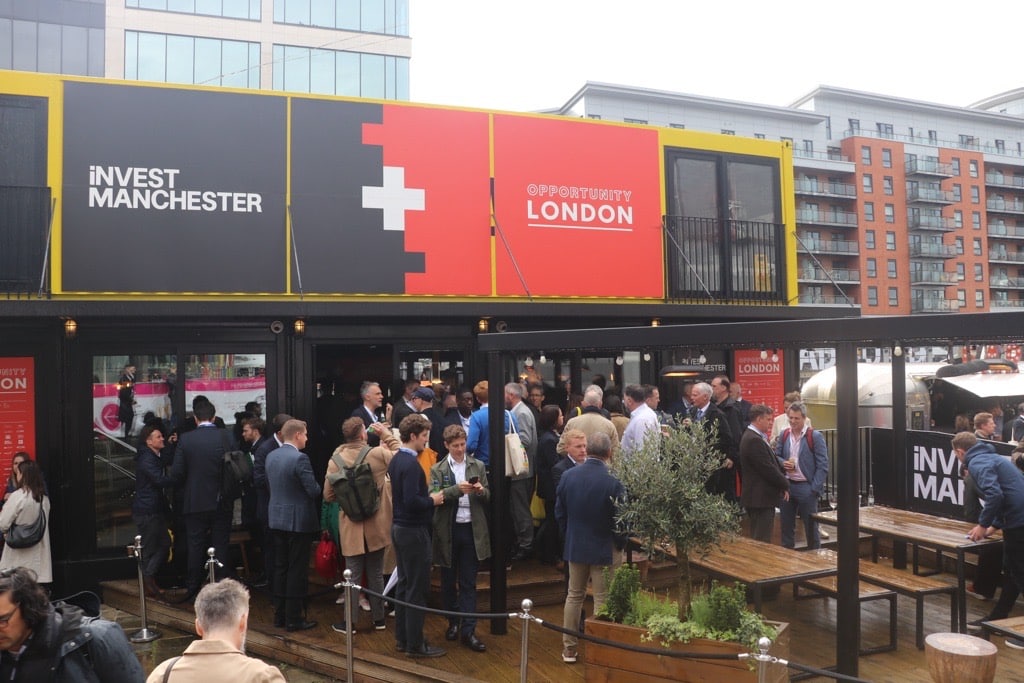
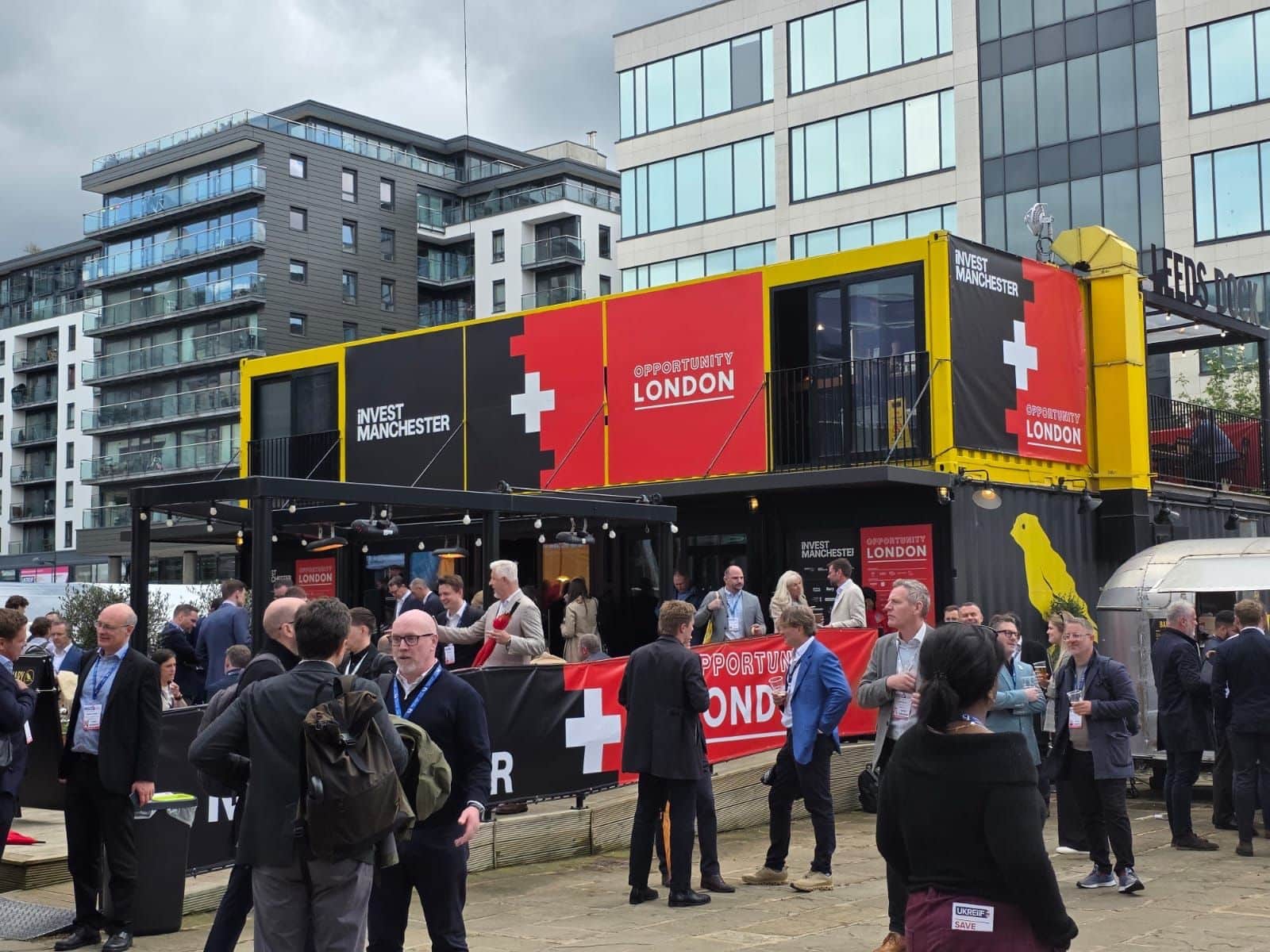
As the main programme wound down, the Manchester delegation headed into one of the most anticipated networking moments of the day: the Invest Manchester and Opportunity London Drinks Reception. Bringing together investors, developers, city leaders and international partners, the reception created a space for two of the UK’s most dynamic city regions.
Day One demonstrated the breadth and depth of Greater Manchester’s leadership at UKREiiF, from regeneration and housing to transport, investment and innovation. With Manchester City Council, GMCA, Invest Manchester. local authorities and private sector partners from across the city-region represented throughout the programme, the delegation made a confident and collaborative start to the week.