
Day Two of UKREiiF saw Greater Manchester’s delegation step into a series of high‑impact conversations on housing reform, regional investment, inclusive growth and the future of development corporations. With leaders from Manchester City Council, GMCA, local authorities and private sector partners spread across the programme, the day showcased the region’s influence on national policy and its commitment to long‑term, place‑based leadership.
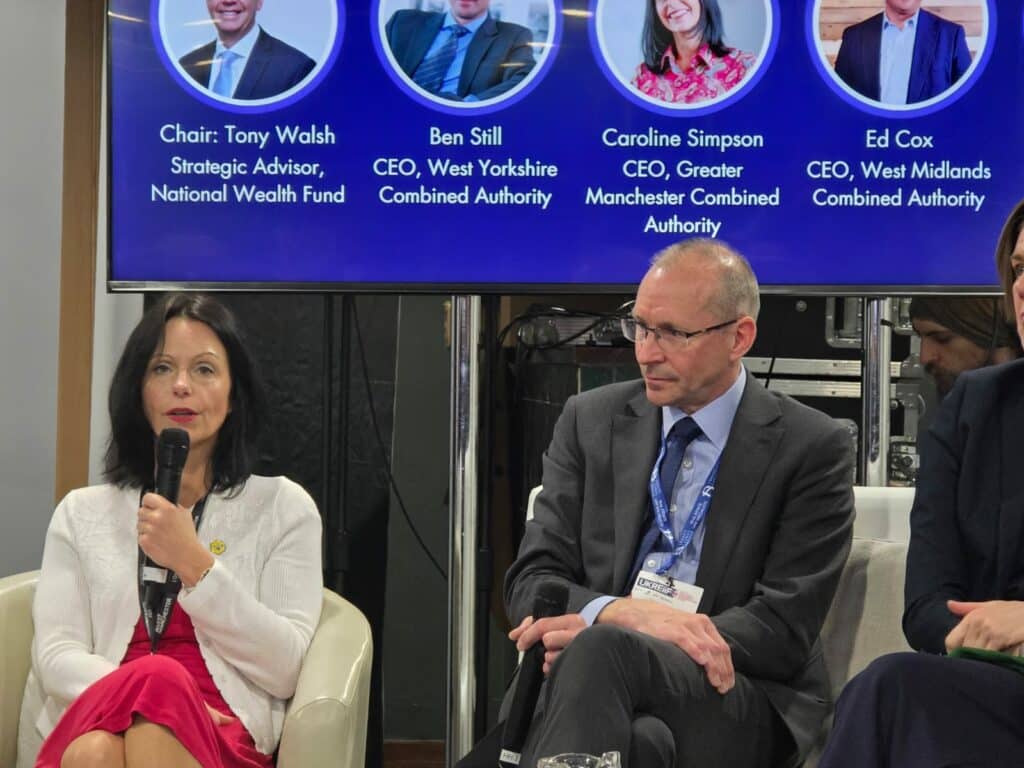
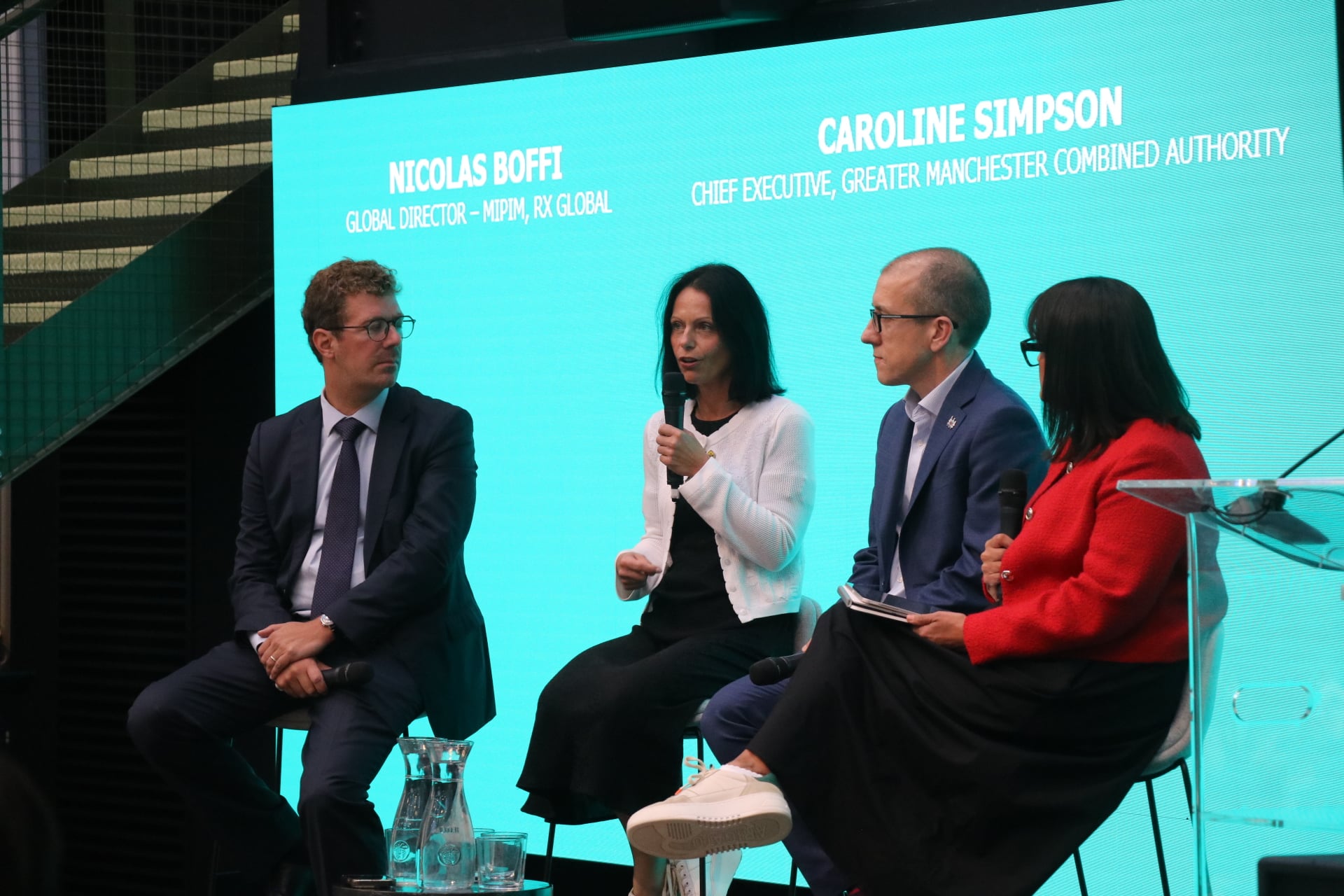
The morning opened as Caroline Simpson, Chief Executive of GMCA, joined leaders from Glasgow, West Yorkshire and the West Midlands to discuss how National Wealth Fund Strategic Partnerships are reshaping regional investment models. Caroline set out Greater Manchester’s approach to pipeline development, reinforcing the region’s position as a national leader in collaborative investment.
Caroline Simpson Chief Executive of Greater Manchester Combined Authority said “Having a really clear vision for your place at a public sector level, it should be bought into already. It’s not just about what’s best from a commercial perspective but how do we get everything aligned to ensure the long-term sustainability of a place.
“If the private sector can see that we are all aligned in the public sector, can see we’ve got a vision and a track record. If we’re willing to put our shoulders to the ground and back our places, then I can’t see a better option for investors.”
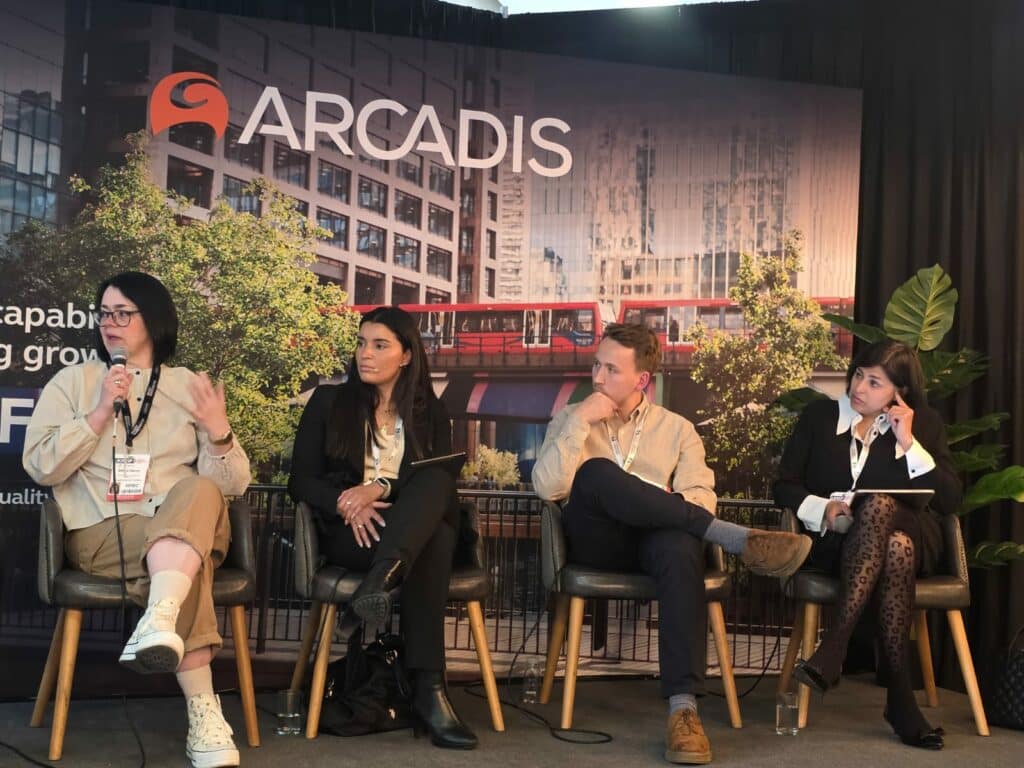
This theme continued into the late morning with a session marking 10 years of Good Growth in Greater Manchester, where Charlie Norman, Chair of Greater Manchester Housing Providers, joined partners to reflect on the role of public private collaboration in delivering safe, secure and affordable homes.
Then Becca Heron, Strategic Director of Growth and Development at Manchester City Council joined a panel discussing Camden’s ambitions and strategy for inclusive growth. Becca offered a perspective from Manchester, a place that is already embedding inclusive growth into its development strategies in order to connect people to opportunities.
Becca Heron Strategic Director of Growth and Development at Manchester City Council said “In Manchester, we’ve got area focused approaches to social value. We have really significant investments happening in North Manchester with Victoria North, Collyhurst and North Manchester General Hospital so we’ve been working across programmes for a while. For me, a key lesson has been working with communities to determine exactly what they want to see in terms of benefits. It’s not up to us to define that.
“It’s about giving agency back to our communities, making sure they are co-designing the approach. Some of that is engaging the voluntary sector in terms as delivery. Local authorities need to take the listening and position themselves as intelligent clients.
“It’s about risk and inviting creativity, empowering local communities to come up with ideas and helping them to deliver them. You have lots of formal processes, but you need some fluidity.”
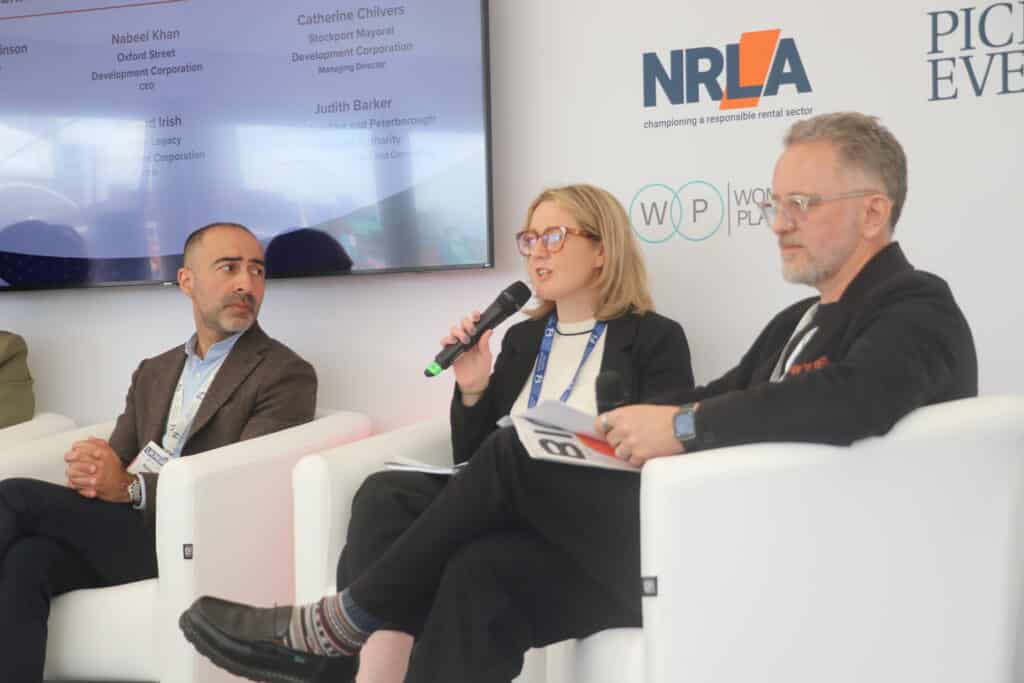
The afternoon brought another significant Greater Manchester moment as Catherine Chilvers, Managing Director of Stockport MDC, joined a panel exploring the role of development corporations in unlocking growth. Catherine highlighted Stockport’s nationally recognised MDC model and the importance of shielding long‑term regeneration vehicles from short‑term political cycles.
She said ‘’ the focus of our MDC is the town centre, it was created to build momentum from the previous decade, putting together a coherent vision and dedicated focus that could be accelerated. There is now a visible change in the centre, and we’ve combined council and civil partnership to create conditions for investment’’
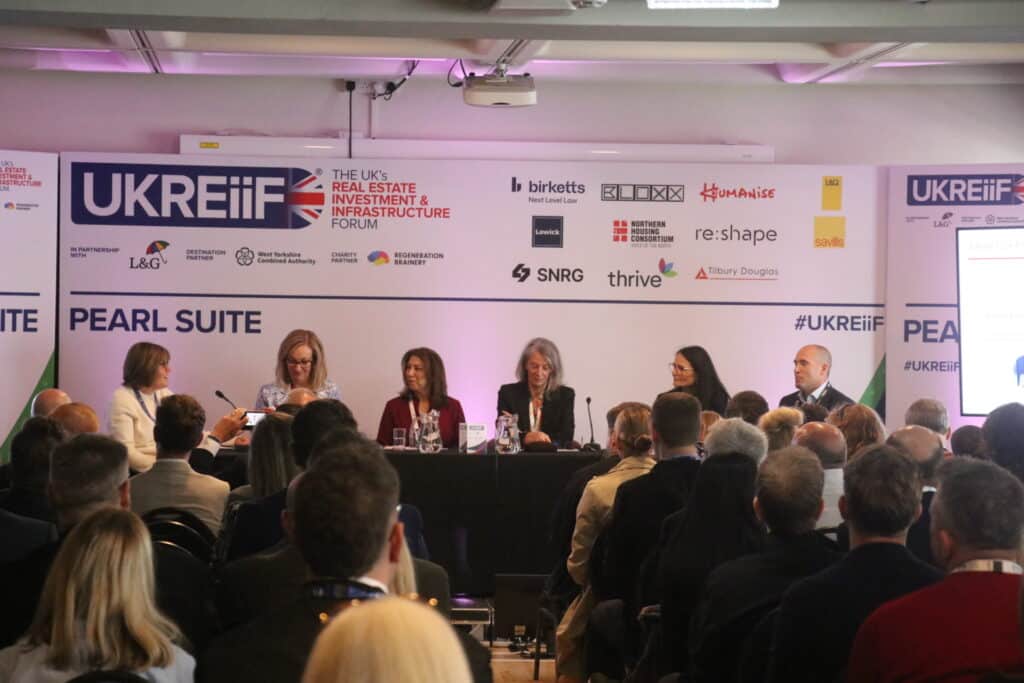
Following on from this, Andrew McIntoch, Director of Place at GMCA joined the Defining public value in the infrastructure: From appraisal intent to long term outcomes panel and said ‘’Moving beyond cost, it’s important to consider how long term assets like the new town programme or R&D parks will deliver long term social, environmental and economic value to Greater Manchester’’
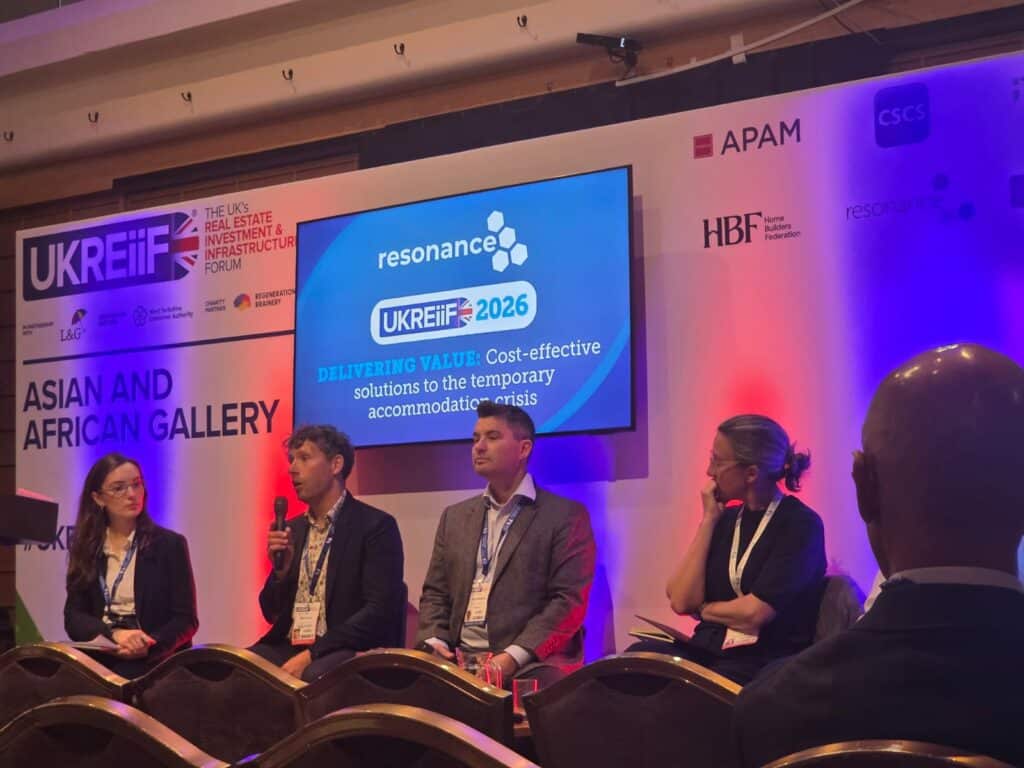
Housing pressures were back in focus as Robert Jones, Investment Manager at GMCA, joined a panel on cost-effective solutions to the temporary accommodation crisis. With demand rising sharply across the UK, Robert outlined the challenges that surround the housing crisis, funding solutions that could help and how Greater Manchester is tackling the challenge head on.
He said “Our challenge is to knit together part of the solutions around temporary accommodation and affordable housing. Clearly housing is a big focus for Greater Manchester Combined Authority and the councils. One of the things we’ve done already is to put some money back into creating empty homes teams to shake the tree a little bit.”
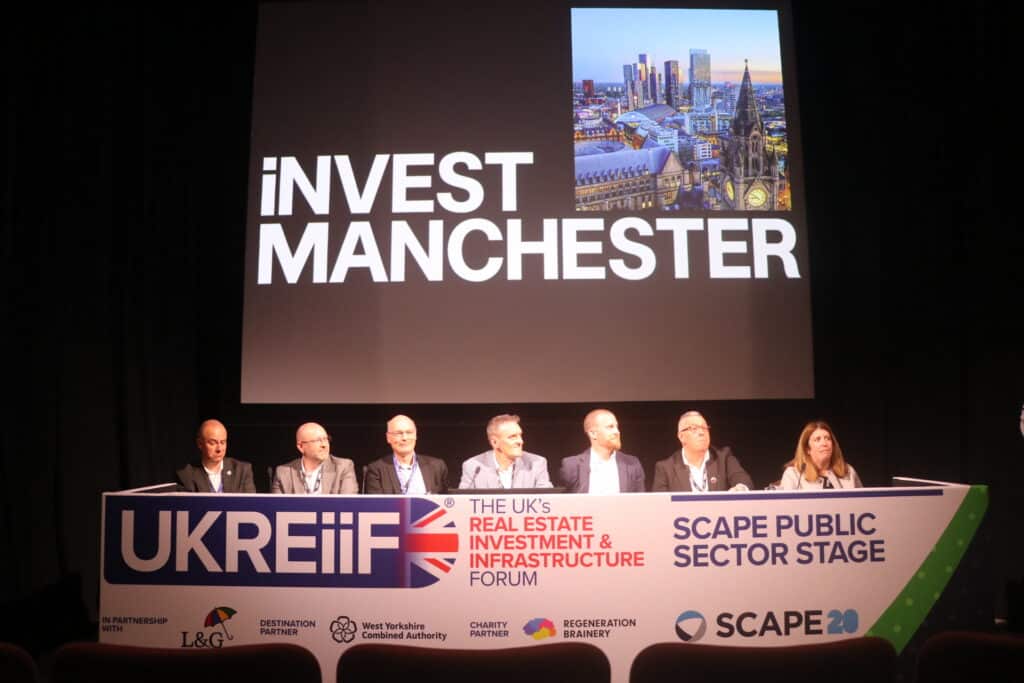
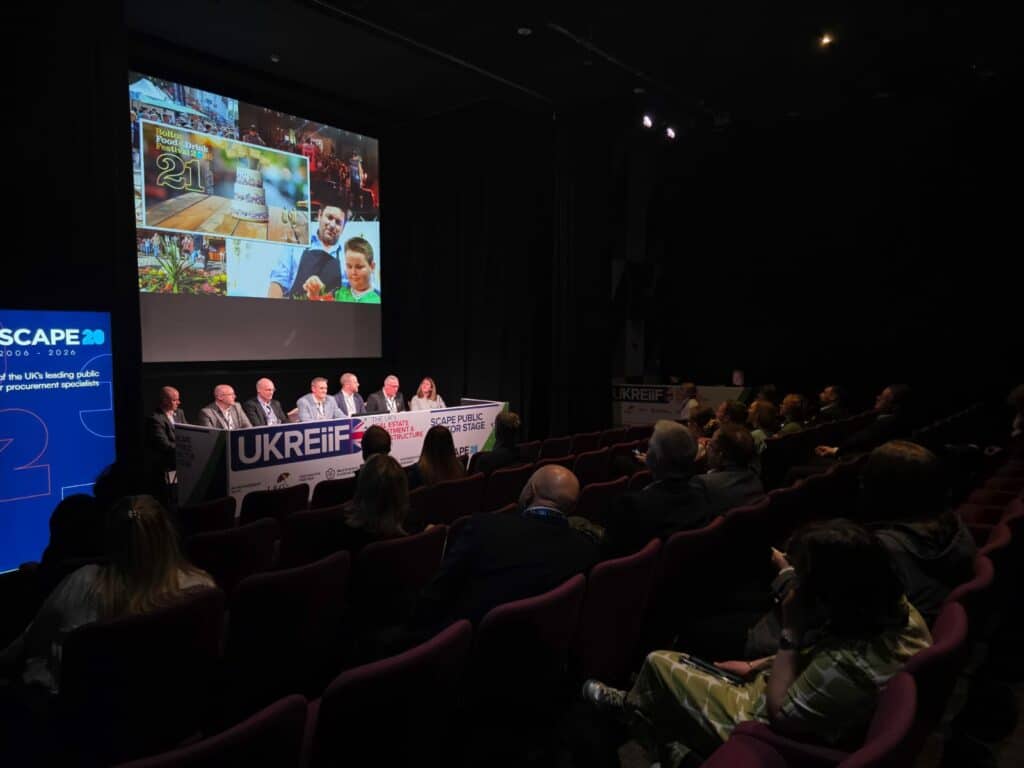
The delegation then took centre stage at the Greater Manchester Pecha Kucha, a fast-paced showcase of investible propositions and regeneration opportunities across the city region. The session highlighted why Greater Manchester continues to attract national and international investment.
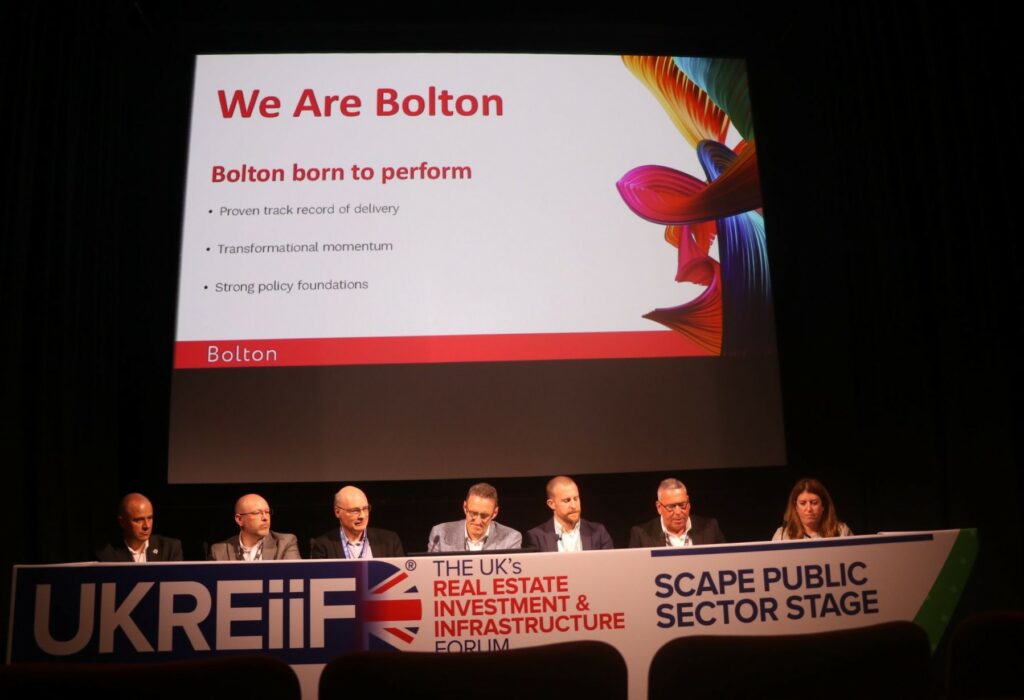
Across Bolton, speakers highlighted ambitions to grow a thriving visitor economy through projects including NorthFold and the Bolton Food & Drink Festival, with a focus on creating better places to live and invest. In Bury, updates spanned Millgate Shopping Centre, Pyramid Park, SOMA, NORA, Elton Reservoir and the Northern Gateway, alongside continued investment in Radcliffe, Prestwich Village and the borough’s established retail and cultural assets.
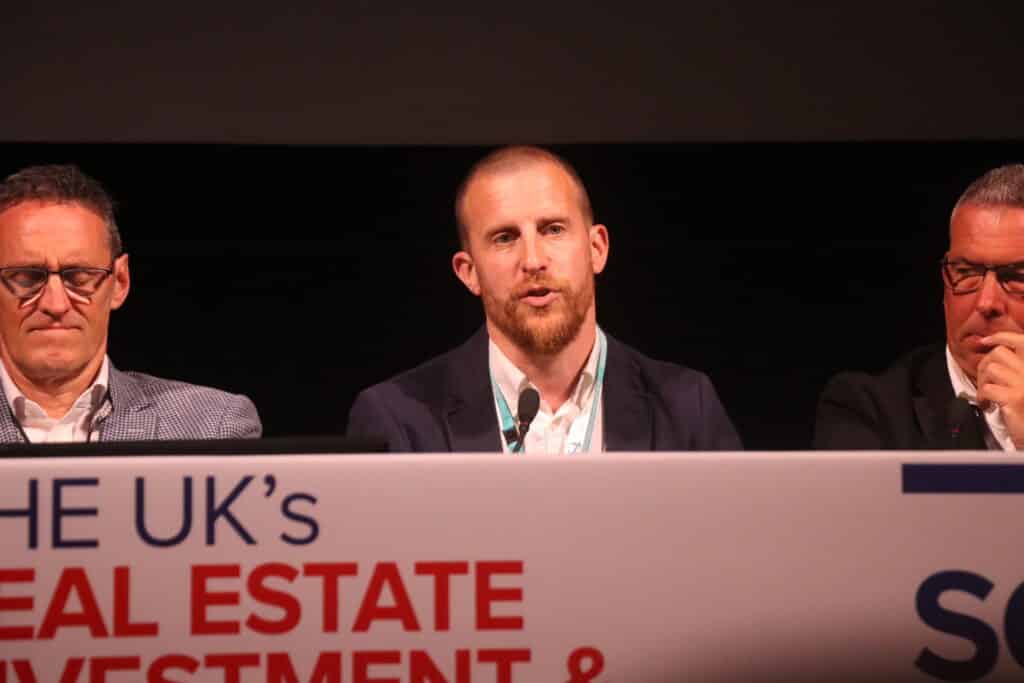
Oldham outlined its focus on brownfield and heritage-led regeneration, with projects including the MDC, Northern Roots, Sportstown and the redevelopment of Spindles Shopping Centre helping shape the borough’s future. Meanwhile, Stockport pointed to strong viability, transport connectivity and the success of the MDC delivery model, alongside progress on Stockport 8, new housing development and Eco Park.
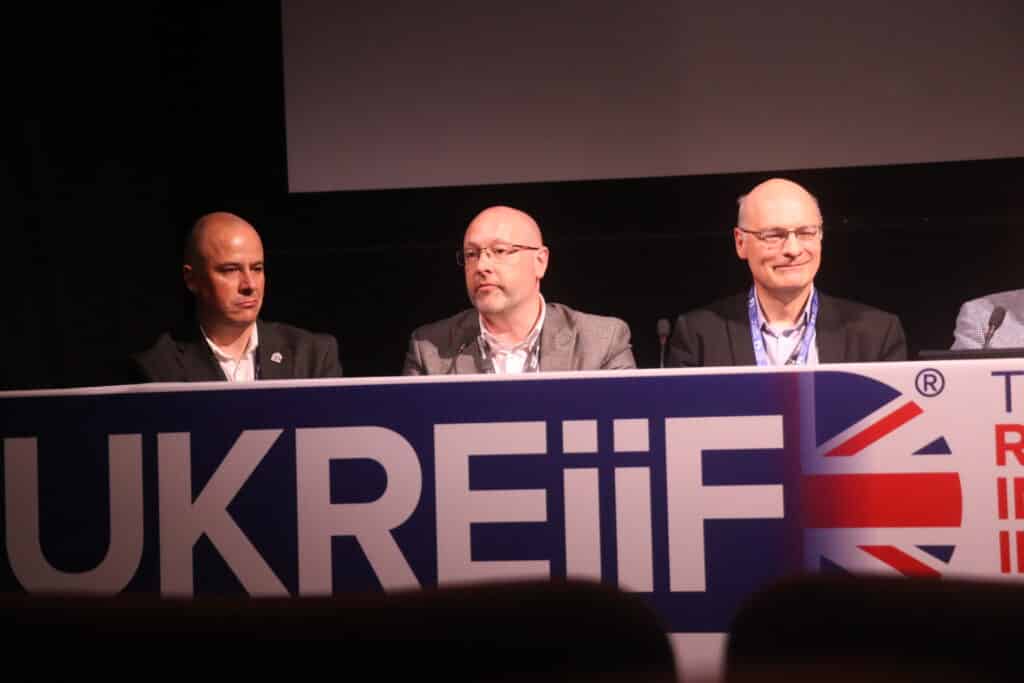
In Tameside, leaders emphasised inclusive growth, with the Bee Network set to transform connectivity in Ashton, while regeneration plans continue across Ashton and Stalybridge through the MDC, Market Square, Ashton Town Hall, Ladysmith Shopping Centre and Godley Green. Trafford highlighted the strategic importance of Davenport Green, supported by links to Manchester Airport, the M60 and future high-speed rail, with plans for new homes, business space and green space.
Finally, Wigan showcased ongoing transformation across the town centre through housing, cultural and infrastructure investment, including Fettlers, the new market hall and hotel, Cotton Works, rail improvements and opportunities connected to NorthFold.
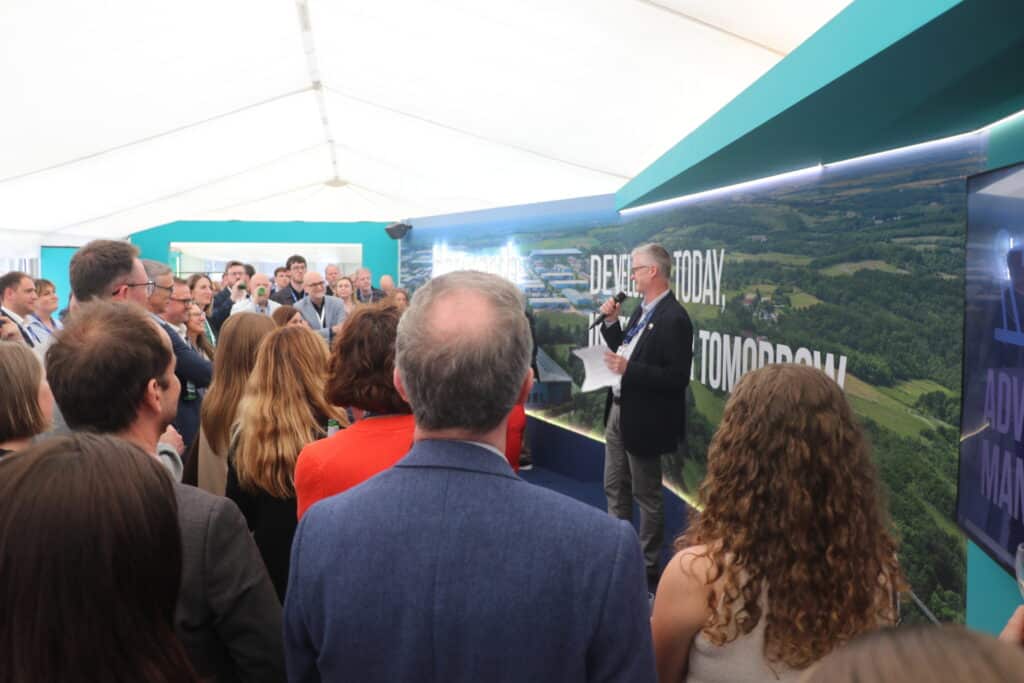
The day ended with a celebration of Bolton Food and Drink Festival’s 21st Birthday over on the Haworth Pavilion. People gathered to learn more about the borough’s ambitious growth plans and the cultural elements that are helping Bolton to take centre stage, including its prestigious annual Food and Drink festival.
Jon Dyson Director of Place at Bolton Council said “What were once concepts and plans on a page are now real spaces delivering benefits for Bolton. The regeneration of Bolton is not just a priority for us in the town hall; it’s a project with regional and national significance.”
After a day of productive sessions and collaboration, Manchester’s delegation joined together for a private dinner at Lost and Found, giving Manchester Invest Partners the opportunity to hear from senior leaders on the city regions successes and plans for the next steps of growth.
From housing reform to national investment partnerships, development corporations to inclusive growth, Day Two demonstrated Greater Manchester’s leadership across the UKREiiF programme. With Manchester City Council, GMCA, local authorities and Greater Manchester institutions represented throughout the day, the delegation continued to champion the region’s long‑term, partnership‑driven approach to growth.